By Piri Piri Marketing Hub
Read our 10 Strategies to Promote Your Products and Services Effectively for practical insights to boost your marketing.
Quick Answer: What Are the Key 2026 Digital Marketing Trends?
The key trends shaping 2026 digital marketing trends include the rise of AI marketing, generative engine optimisation (GEO), short form video dominance, employee generated content, augmented reality, first party data strategies, AI agents, machine learning personalisation, and AI-generated summaries that reshape how people discover content online.
Creative design

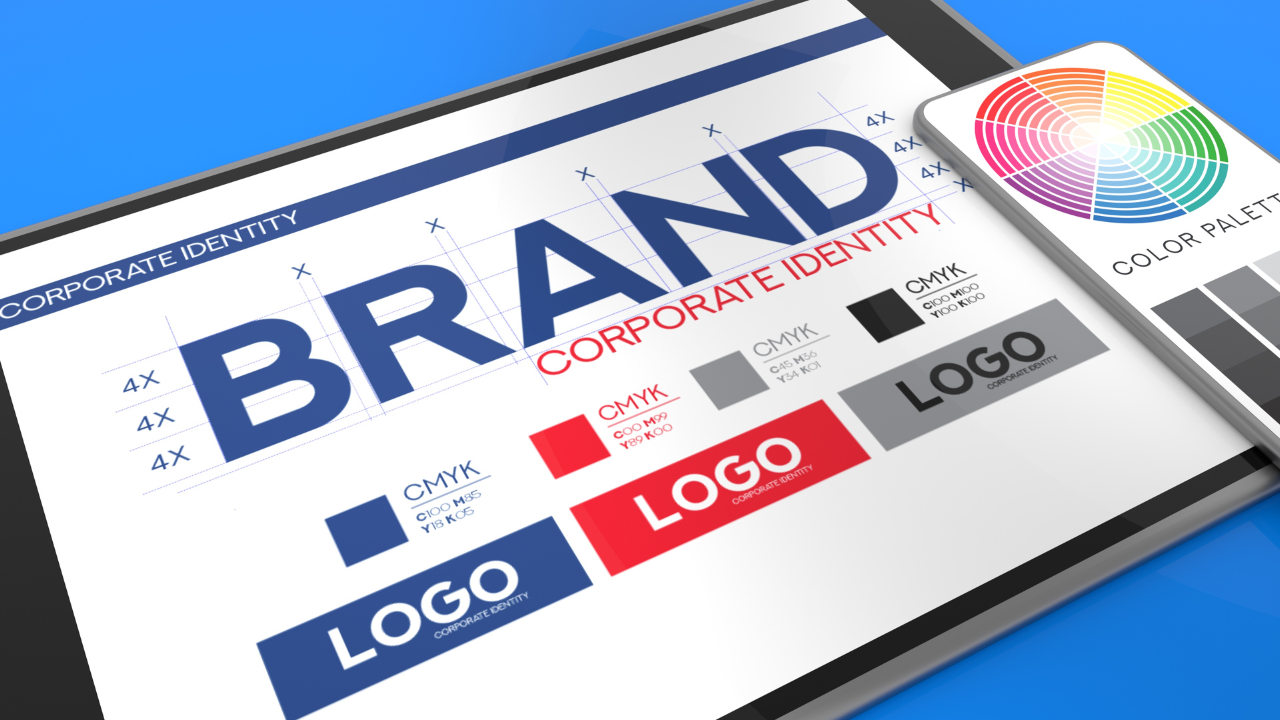
In the creative and design sectors, brands will need to focus on adaptable, AI-friendly content and express themselves across various channels and formats. Social media platforms like TikTok, Instagram, and YouTube will continue to play a major role in discovery—social media search is especially popular among younger generations, who use these platforms to inform their purchasing decisions as AI-driven search features become more integrated. Brands that adopt AI tools, build a solid digital marketing strategy and create content optimised for AI assistants will achieve stronger brand visibility and customer engagement in 2026.
Learn more about future tech transformation:
- Think with Google: https://www.thinkwithgoogle.com
- MIT Technology Review: https://www.technologyreview.com
Key Takeaways
- AI marketing tools and generative AI are shaping the top digital marketing trends for 2026.
- Short form video remains the most powerful content format across social media platforms.
- Generative engine optimisation helps brands become visible in AI assistants and AI-generated summaries.
- Customer data and first party data will drive smarter, more personalised campaigns.
- Employee generated content strengthens human connection and brand loyalty.
- Social media trends evolve faster, requiring brands to create content for emerging platforms.
- AR, VR, digital twins and conversational interfaces improve customer journeys and digital transformation efforts.
- Smart marketers must design content that answers common customer queries clearly so AI systems can capture it.
Introduction to 2026 Marketing Trends
The digital landscape is evolving faster than any previous decade. Technologies powered by artificial intelligence, machine learning and data driven insights are reshaping how brands reach customers and how customers behave online. To remain competitive, many businesses must understand the latest digital marketing trends and adapt quickly.
AI Tools
The rise of AI tools, the dominance of social media platforms, and the shift from traditional search to AI powered search engines are pushing marketers to rethink how they create content and measure performance. With more digital touchpoints and more complex customer journeys, building a strong marketing strategy for 2026 requires clarity, agility and innovation.
This guide breaks down the most essential and impactful 2026 digital marketing trends so your team can adopt them now rather than falling behind.
Why Digital Marketing Is Changing Faster Than Ever

Digital marketing shifts because customer behaviour shifts. People today have more platforms to explore, more content to choose from and more ways to interact with brands. They expect personalised experiences, instant answers and seamless engagement.
Several key reasons are transforming the marketing landscape:
1. Artificial Intelligence and Machine Learning
AI tools are now influencing content creation, customer experiences, personalisation and automation.
Learn more from OpenAI: https://openai.com
2. Emerging Platforms
New platforms powered by AI agents and conversational search are reducing dependency on traditional search.
3. Customer Behaviour Changes
People rely more on concise summaries, quick videos and interactive experiences instead of long browsing sessions.
4. Higher Competition
Many businesses are producing more content than ever, making it harder to stand out.
5. Data Regulation
Privacy changes continue to shape how customer data is collected and used.
To stay ahead, smart marketers must understand the big idea behind these changes: human connection meets artificial intelligence. The brands that blend creativity, technology and emotional resonance will lead the next era of digital marketing.
Section 1: Digital Marketing Trends Every Business Must Know
1. AI Marketing Becomes the Heart of Strategy
One of the most important 2026 digital marketing trends is the rise of AI marketing. AI is no longer just a productivity booster. It is now influencing business decisions and entire marketing strategies.
AI marketing enables:
- Smarter personalisation
- Predictions based on customer behaviour
- Automated optimisation
- Content generation
- Faster testing of marketing activities
- More accurate measurement of customer journeys
AI content allows brands to deliver highly personalized experiences, but it’s crucial to ensure that content remains authentic and emotionally resonant to maintain a genuine human touch.
According to McKinsey Digital, AI adoption across marketing has tripled in the past few years: https://www.mckinsey.com/capabilities/mckinsey-digital
Businesses that integrate AI tools into their digital marketing strategy will gain a major competitive edge.
2. AI Tools and Generative AI Dominate Marketing Workflows
Generative AI tools support:
- Copywriting
- Video scripts
- Creative brainstorming
- Content strategy development
- Customer data analysis
- Reporting
- Social media planning
Marketers are now using AI to co create content rather than replace human creativity. This collaboration allows businesses to deliver high quality assets faster while still maintaining human authenticity.
3. Social Media Marketing Continues to Grow
Social media marketing remains at the core of digital marketing. Social media platforms like TikTok, Instagram, YouTube and LinkedIn influence how people discover brands, research products and engage with content.
Key social media trends for 2026 include:
- Personal storytelling
- Short form video
- Real voices and authenticity
- Social commerce
- Employee generated content
- Community building
Younger generations, particularly Gen Z, are increasingly using social media platforms as their primary search and discovery tools, shifting away from traditional search engines.
For insights on how to boost your social media strategy, visit Social Media Today: https://www.socialmediatoday.com
Successful brands understand that social platforms are not just promotional tools but ecosystems of connection, emotion and experience.
4. Short Form Video Is the Most Important Content Format
Video marketing has been rising for years, but short form video is the most impactful format in 2026. Audiences prefer fast, entertaining and educational clips.
Short form video is perfect for:
- Product demos
- Customer testimonials
- FAQs and common customer queries
- Behind the scenes moments
- Brand stories
- How to tutorials
Platforms encourage video content because it keeps users engaged longer. Businesses that embrace short form video will increase brand visibility and engagement across social channels.
5. Content Marketing Must Adapt for AI Generated Summaries
A major trend shaping the future is the shift from traditional search to AI powered search. Users are increasingly asking AI assistants instead of browsing search engine results pages.
Businesses must create content that is:
- Clearly structured
- Answer focused
- Supported by external links
- Easy for AI to summarise
- Built with generative engine optimisation
Google AI explains this shift: https://ai.google
Content strategy now requires understanding how people use AI assistants and how generative engines interpret, analyse and present content.
Section 2: The Rise of Generative Engine Optimisation (GEO)
Generative engine optimisation is one of the top digital marketing trends for 2026. GEO focuses on helping brands appear in AI generated summaries on:
- ChatGPT Search
- Perplexity
- Google AI Overviews
- Gemini
- Bing Copilot
AI engines prefer:
- Clean definitions
- Clear headings
- Bullet lists
- Verified information
- External link citations
- User focused explanations
To understand GEO’s impact, explore Search Engine Journal: https://www.searchenginejournal.com
GEO represents a major trend for businesses because AI assistants often bypass traditional search results. If your content is not GEO-ready, customers may never see it.
Section 3: AI Agents Become Part of Everyday Customer Journeys
AI agents are transforming customer engagement. They can:
- Answer customer queries instantly
- Provide product recommendations
- Assist with bookings and customer service
- Analyse customer data
- Resolve common issues
Businesses are beginning to build their own agents to manage customer journeys in websites, apps and digital experiences.
Anthropic’s Claude offers insights into advanced AI agents:
https://www.anthropic.com
AI agents make marketing more efficient, responsive and personal.
Section 4: Customer Data and First Party Data Become Powerful Tools
Customer data is one of the most valuable assets for brands. With privacy changes reducing the effectiveness of third party tracking, businesses must rely on first party data.
First party data enables:
- Better customer engagement
- Personalised communication
- Improved marketing strategy decisions
- More relevant offers
- Stronger emotional resonance
HubSpot Research highlights the rise of first party data:
https://research.hubspot.com
Smart marketers use customer data ethically to enhance brand loyalty and trust.
Section 5: Employee Generated Content (EGC)
Employee generated content is a powerful way for brands to show authenticity. EGC includes:
- Workplace stories
- Day in the life videos
- Team highlights
- Behind the scenes looks
- Staff led product demos
Benefits include:
- Stronger brand loyalty
- More trust from customers
- Increased human connection
- Promote diversity
- Real voices representing the brand
EGC is one of the most important marketing trends for 2026 because people want content that feels human in an AI heavy world.
Section 6: Emerging Technologies Shaping 2026
Technology is shaping digital marketing rapidly. Key innovations include:
1. Augmented Reality
AR allows customers to visualise products, see experiences and interact with content in real time.
2. Digital Twins
Virtual models of products, environments or processes help businesses create immersive product demos and experiences.
3. Chat Interfaces
Instant conversational experiences supported by AI assistants help improve customer satisfaction.
4. Voice Assistants
Voice search continues to grow, requiring content that is conversational and clearly structured.
5. Virtual Reality
VR offers immersive storytelling, virtual training and experiential marketing.
For the latest tech news, explore TechCrunch: https://techcrunch.com
Section 7: Creative and Design Trends for 2026
Key trends in creative and design for 2026 digital marketing include:
- High contrast branding
- Bold typography
- Visual storytelling
- Sustainable and eco friendly practices
- Media designed for multiple platforms
- AI powered creative tools
- Experimental layout and dynamic visual assets
Search Engine Land offers insights into search driven design: https://searchengineland.com
Designing content for social media, SERPs and AI generated summaries requires flexibility and creativity. Modern creative teams must understand platform native content, AI enhanced design and emotional resonance.
Section 8: Paid Media and Performance Marketing in 2026
Paid media plays a crucial role in boosting brand visibility and conversions. Machine learning now powers:
- Automated ad optimisation
- Predictive targeting
- Budget allocation
- Real time performance adjustments
Marketing leaders must understand:
- Attribution
- Funnel analytics
- Data tracking
- Conversion pathways
With clearer customer journeys and AI powered automation, paid ads are becoming more efficient and sustainable.
Adopting AI-powered automation in paid media is a smart move for brands aiming to maximize efficiency and ROI.
Section 9: How Digital Marketers Must Adapt for 2026
Digital marketers need to adapt their roles to stay relevant in an AI first world. They must:
- Master generative AI
- Understand data driven insights
- Build emotionally resonant branding
- Optimise content for AI generated summaries
- Create content that aligns with social media trends
- Embrace co creation between AI and human creativity
To stay competitive, marketers should develop their own strategy that integrates social search optimization and answer engine optimization (AEO), ensuring enhanced visibility across both social platforms and search results.
Hootsuite explores shifting social strategies: https://blog.hootsuite.com
The modern digital marketer combines strategic thinking, technical skills and creative intuition.
Section 10: Co Creation and Community-Driven Marketing
Co-Creation and Community-Driven Marketing
Co-creation and community-driven marketing are quickly becoming cornerstones of a successful digital marketing strategy. In 2026, brands that invite their customers to participate in the content creation process will stand out in a crowded digital landscape. By empowering your audience to share their stories, ideas, and feedback, you not only build trust but also foster a sense of belonging that drives long-term loyalty.
Leveraging AI Tools for Co-Creation
AI tools and generative AI are making it easier than ever to facilitate co-creation. Brands can use generative AI tools to brainstorm content ideas, develop interactive campaigns, and even personalize content based on community input. For example, you might launch a campaign where customers submit their own product use cases or creative solutions, then use generative AI to curate and amplify the best contributions across your digital channels.
Transforming Marketing into a Collaborative Experience
This approach transforms your marketing efforts from a one-way broadcast into a collaborative experience. Not only does this generate fresh, authentic content, but it also turns your audience into active brand advocates. In 2026, smart marketers will leverage co-creation to build vibrant communities, enhance their digital marketing strategy, and create content that truly resonates.
Section 11: The Evolving Role of Digital Marketers
The role of digital marketers is undergoing a dramatic transformation as technology and consumer expectations evolve. In 2026, digital marketers are expected to be multi-skilled professionals who can seamlessly blend creativity with technical expertise. Mastery of social media marketing and content creation remains essential, but the ability to analyze data and extract actionable insights is now just as critical.
Embracing AI Tools in Marketing
AI tools are at the heart of this evolution, enabling digital marketers to automate routine tasks, personalize campaigns, and optimize performance in real time. Staying ahead means not only using these tools but also understanding how to integrate them into a cohesive marketing strategy. Digital marketers must be agile, ready to pivot as new social media trends emerge, and proactive in adopting the latest trends that shape customer engagement.
Continuous Upskilling and Adaptability
To succeed, digital marketers need to continually upskill, experiment with new platforms, and embrace a mindset of lifelong learning. By doing so, they can help their brands navigate the ever-changing digital landscape and achieve measurable results.
Section 13: Staying Ahead of the Curve in Digital Marketing
In the fast-paced world of digital marketing, staying ahead of the curve requires a commitment to ongoing learning and innovation. Brands that thrive in 2026 will be those that actively monitor the latest developments in AI, machine learning, and data analytics, and are quick to integrate these advancements into their marketing strategy.
Embracing Advanced Technologies
Leveraging AI tools allows marketers to create highly personalized campaigns, automate complex processes, and gain deeper insights into customer behavior. Machine learning can help identify emerging trends, optimize content performance, and predict what will resonate with your audience next.
Balancing Technology with Quality Content
However, technology alone isn’t enough. Brands must also focus on producing high-quality, user-friendly content that delivers tangible value to their audience. By combining cutting-edge technology with a customer-centric approach, businesses can ensure their digital marketing efforts remain effective, relevant, and ahead of the competition.
Conclusion and Next Steps
The future of digital marketing is dynamic, intelligent and human centred. Our 2026 digital marketing trends highlight the need for brands to adopt AI marketing tools, embrace short form video, implement generative engine optimisation, understand customer data and create authentic employee generated content.
Next Steps for Smart Marketers
- Review and optimise your digital marketing strategy
- Adopt AI tools to enhance creative workflows
- Build a GEO ready content strategy
- Invest in high quality short form video
- Leverage first party data
- Encourage employees to create authentic content
- Explore augmented reality and digital twins
- Optimise social media marketing for emotional resonance
Piri Piri Marketing Hub helps businesses unlock their digital potential by combining not only creativity, innovation, but also human connection and AI powered strategy.