
Introduction
Understanding how often to post on social media is one of the most common questions in modern digital marketing.
Businesses entering the online space often assume that the more they post on social media, the better their results will be.
However, experienced marketers know that social media posting frequency must be strategic rather than random.
Posting too frequently can overwhelm your target audience and reduce engagement.
Posting too rarely can weaken your social media presence and limit visibility across social media platforms.
Finding the optimal posting frequency requires understanding platform algorithms, audience behaviors, and content performance.
At Piri-Piri Marketing Hub, we help Australian businesses design social media strategies that balance consistent posting, content quality, and measurable social media growth, drawing on our broader virtual marketing services.
This guide explains the best posting frequency, platform benchmarks, and proven posting strategies that agencies and brands can use to strengthen their social media game.
Why Posting Frequency Matters In Social Media Strategy

Visibility Across Social Media Platforms
Every social network prioritises fresh and relevant content.
When brands maintain a consistent posting schedule, they increase the likelihood that their posts appear in their audience’s feed.
A consistent presence across social media channels helps brands stay visible in crowded digital environments.
This visibility supports community engagement and increases brand recognition.
Sustained Engagement And Brand Trust
Posting regularly helps maintain a relationship with followers.
Regular updates foster a strong sense of community and connection, keeping your audience engaged and deeply invested in your brand’s journey.
This type of consistent presence builds credibility over time.
Businesses that post consistently also encourage more audience interaction.
The Role Of Engagement Signals

Modern social algorithms track engagement signals.
In 2026, algorithms prioritise meaningful engagement, including saves, shares, comments, and watch time.
Saved posts may continue circulating for weeks after publishing.
This means high quality content that audiences value can perform well even if the posting frequency is moderate.
Source:
https://blog.hootsuite.com/social-media-trends/
Optimal Posting Frequency On Social Media
Why There Is No Universal Posting Rule
There is no single answer to how often should you post on social media.
The ideal posting frequency depends on your industry, audience behaviour, and available resources.
For example, fast-paced platforms require higher social media publishing frequency.
Professional platforms may favour fewer but more thoughtful posts.
Because of these differences, businesses should treat posting strategies as experiments.
Testing and analysing performance data is the most reliable method.
Industry Average Posting Benchmarks

Industry research provides useful starting points for posting regularly.
Current marketing studies recommend the following average posting frequency:
Facebook: 1–2 posts per day or 3–7 times a week. Instagram: 3–5 times per week (feed), plus 1–2 Reels per day. X (Twitter): 3–4 times per day. LinkedIn: 2–5 posts per week. TikTok: 1–3 posts per day. YouTube: 1 video per week.
Source:
https://buffer.com/resources/social-media-frequency-guide/
These benchmarks help businesses design a realistic posting schedule. In 2026, social media algorithms prioritize consistency and meaningful engagement (saves, shares, and watch time) over high volume.
Platform Specific Posting Strategies

Why Each Social Platform Requires Different Content
Different social platforms have unique audience expectations.
TikTok prioritises entertainment and discovery.
LinkedIn focuses on thought leadership and professional insights.
Pinterest operates like a visual search engine.
Understanding these dynamics helps brands optimise social media posting for each platform. A well-defined social media strategy ensures this platform-specific content supports broader business goals. Social media management tools can streamline content creation, manage social media profiles, and perform analytics all in one platform.
How Often To Post On Instagram
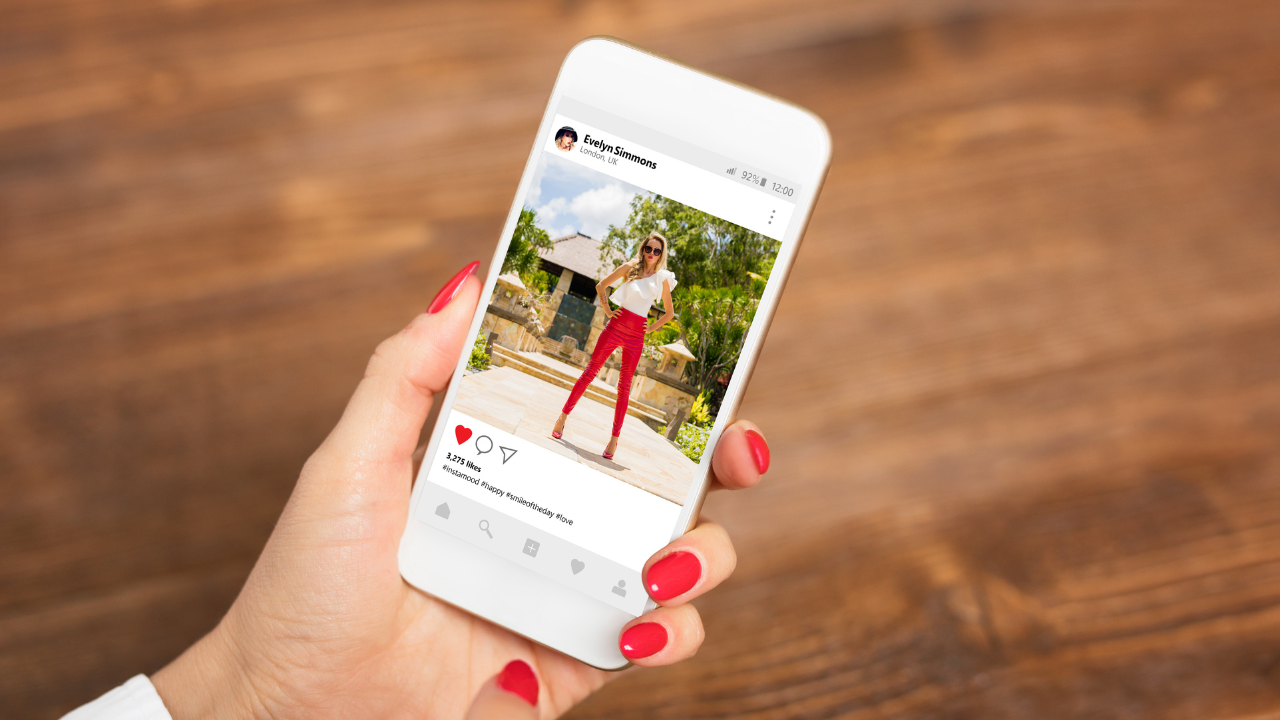
Instagram remains one of the most influential social media channels.
A strong baseline is 3 to 5 posts per week.
These posts may include static posts, carousels, and short videos.
Instagram Stories also support daily updates.
Brands can post Instagram Stories one to three times per day to share behind the scenes content and quick updates.
Posting 3-5 times per week on Instagram is recommended to maintain visibility and engagement while ensuring your content remains fresh and appealing. Incorporating a mix of static posts, carousels, and short videos helps diversify your feed and capture audience interest. Additionally, sharing 1-3 Instagram Stories daily offers an excellent way to provide behind-the-scenes content and real-time updates that keep followers connected and engaged.
Strong visuals can help content appear in the Explore feed, expanding reach beyond existing followers.
When the audience engages with posts through likes, comments, and shares, the platform distributes the content more widely.
How Often To Post On TikTok

TikTok thrives on high content velocity.
Many brands publish daily posts to maintain momentum.
However, quality should always come first.
Quality content always wins over just volume in social media marketing.
Posting frequency is only one part of a strong social media strategy.
Engaging content is what truly drives the most engagement over time.
Videos that hold viewer attention longer are prioritised by algorithms.
How Often To Post On Facebook

For many businesses, the Facebook page remains a core marketing channel.
Recommended posting frequency ranges from one to two posts daily.
Facebook supports various formats including images, video, and business posts.
Regular posting ensures visibility across the social network. Posting 1-2 times per day on Facebook helps maintain presence without overwhelming followers.
Local businesses should also update their business profile with images, offers, and announcements.
How Often To Post On LinkedIn

LinkedIn is ideal for B2B marketing.
Brands should publish two to five posts per week.
A thoughtful LinkedIn post that shares industry insights can generate strong engagement.
Content that demonstrates expertise builds credibility.
This platform rewards thought leadership rather than excessive promotional content. Posting 1-2 times per day on LinkedIn can enhance engagement and visibility.
How Often To Post On Pinterest
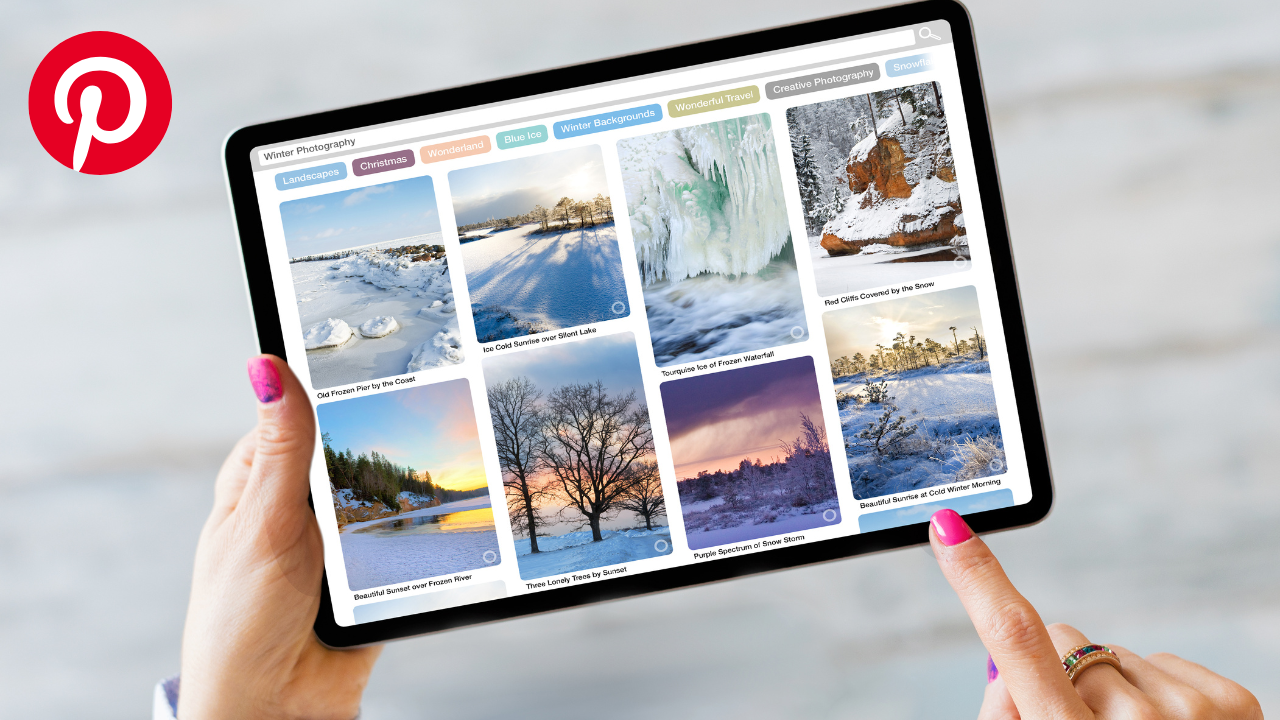
Pinterest prioritises fresh content.
Brands should publish at least one new Pin weekly.
Some marketers schedule multiple Pins daily to accelerate visibility.
Pinterest supports long-term discovery because content can resurface months later, much like evergreen campaigns powered by influencer marketing in Australia.
How Often To Post On YouTube

YouTube requires deeper content creation, so posting frequency is lower.
Publishing one video weekly is a strong starting point.
Long-form content can be repurposed into short clips for other social media platforms, supported by strong social media graphic design to maintain brand consistency.
This approach supports social media growth across multiple channels.
Source:
https://support.google.com/youtube/answer/16533387
Best Time To Post On Social Media
Why Timing Influences Engagement
The best time to post depends on when your audience is active.
Posting during peak activity increases the likelihood of maximum engagement.
However, timing varies depending on audience behaviors.
Identifying Optimal Posting Times

Brands should analyse optimal posting times using analytics tools.
These tools reveal when followers are most active.
Testing three time windows often works well:
Morning commute hours
Midday lunch breaks
Evening leisure hours
Data from these experiments helps refine posting strategies.
Quality Versus Quantity In Social Media
Why Content Quality Matters
Many brands focus only on post count.
However, quality content almost always outperforms quantity.
Investing in strong visuals helps posts stand out in crowded feeds and can be extended to offline assets such as high-impact poster printing for events and promotions.
High-quality graphics and video improve visibility, just as professionally designed brochures for marketing campaigns elevate your brand in person.
Relevance Drives Engagement
The more relevant your content is to the specific audience, the better your social channels perform.
Understanding your audience is the cornerstone of creating content that captures attention.
When content aligns with audience needs, engagement increases.
Creating Engaging Content That Scales

Content Pillars For Business Accounts
Most successful brands use content pillars to guide content creation.
These pillars organise content themes.
Examples include:
Educational insights (for example, guides on promoting your products and services)
Customer stories
Company updates (including launches supported by branded business cards)
Industry commentary and cross-promotion with assets like custom sticker printing for events
These themes help maintain consistent posting.
Repurposing Content Across Platforms
Repurposing content improves efficiency.
A blog article can become multiple social posts.
These posts can include carousels, quotes, and short videos.
This strategy helps maintain a consistent posting frequency.
Building A Social Media Calendar

Why Planning Matters
A social media calendar helps maintain consistent posting.
Planning content in advance ensures alignment with campaigns and social media holidays, and can be integrated with broader digital marketing services such as SEO and web design.
A structured content calendar also prevents gaps in activity.
Batch Create Content
Many teams batch create content weekly.
Batching allows brands to produce several posts in one session.
Posts can then be scheduled using scheduling tools, freeing up time to focus on strategic work and collaboration with our Piri Piri Marketing Hub team.
This workflow supports a consistent posting schedule.
Social Media Management Tools

Using Scheduling Tools
A social media management tool simplifies publishing across multiple social media accounts, while integrated workflows make it easier to brief designers or printers for assets like digitally printed marketing materials.
Platforms such as Buffer and Hootsuite allow brands to schedule posts in advance, complementing ongoing search engine optimisation efforts that drive traffic to owned channels.
These tools improve social media management efficiency.
Source:
https://buffer.com/resources/social-media-frequency-guide/
Monitoring Engagement Metrics
Analytics dashboards track:
Engagement rates
Reach
Clicks
Conversion performance
Monitoring these metrics helps social media managers refine posting strategies and identify new topics to explore in their marketing blog content.
AI And The Future Of Social Media Marketing
AI Powered Content Creation
Artificial intelligence is reshaping content creation and enabling more efficient AI in marketing across channels.
AI tools can generate captions, suggest topics, and design visuals.
These tools help teams maintain a consistent posting frequency.
AI Driven Analytics
AI platforms analyse audience behaviors and engagement patterns, supporting data-driven digital marketing strategies for social campaigns.
These insights help brands determine the optimal posting frequency.
AI also predicts optimal posting times based on historical data, similar to how data-driven search engine optimization uses trends to improve visibility.
Engaging With Your Audience

Responding Through Your Own Accounts
Posting content is only part of the strategy.
Engaging with followers through your own accounts is crucial.
Active communication builds trust and loyalty.
Responding to comments quickly improves brand perception.
Encouraging Community Interaction
Brands should encourage followers to comment, share, and ask questions.
This interaction strengthens community engagement.
Active conversations help posts reach more users.
Guidelines For Small Businesses
How Small Businesses Post On Social Media
Many small businesses post inconsistently due to limited resources.
A sustainable starting point is two to three posts per week, complemented by offline tactics such as custom t-shirt printing for staff or brand advocates.
From there, businesses can increase posts per week as resources allow.
Maintaining Consistency
Maintaining a consistent presence matters more than high posting volume.
Reliable activity helps brands remain visible across social media platforms, especially when supported by a well-optimised business website and web development that converts social traffic.
Measuring Results And Benchmarking Performance
Establish Clear Marketing Objectives
Every social media strategy should begin with clear objectives.
Goals may include brand awareness, website traffic, or lead generation.
Establishing objectives helps evaluate success. Peak timing for social media engagement is generally mid-morning hours (9:00 AM – 11:00 AM) on weekdays.
Monitoring Engagement Metrics
Tracking engagement metrics reveals how well content performs.
Metrics include:
Shares
Saves
Comments
Watch time
These signals help identify the best posting frequency. Monitoring engagement metrics can help refine and adapt your social media goals over time, enabling you to make data-driven decisions that enhance your overall strategy and maximize impact. Tailoring your content to suit each network is essential for maximizing engagement.
Final Thoughts: How Often Should You Post On Social Media

Determining how often to post on social media requires experimentation.
Businesses should begin with industry average posting frequency benchmarks.
From there, adjust posting frequency based on analytics and audience behaviour.
Consistency, creativity, and strong content quality remain the foundation of success.
At Piri-Piri Marketing Hub, we help Australian businesses optimise their digital marketing, strengthen their social media presence, and grow through smarter strategies tailored to local markets.
Learn more about our services here:


