

Why Every Small Business Needs A Social Media Plan
A structured social media plan is no longer optional for any small business operating in today’s digital environment.
Without a clear plan, social media marketing becomes random posting, inconsistent messaging, and wasted time. An effective social media plan gives direction, focus, measurable outcomes, and long term growth.
It aligns your social media strategy with real business goals and ensures your whole teams understand what they are working towards.
If you want to raise awareness, generate leads, increase traffic, and connect with customers across different social media platforms, you need a structured approach.
Define Overarching Goals And Business Goals

Set Clear Overarching Goals
Your social media strategy must begin with overarching goals, especially when it forms part of broader digital marketing strategies tailored for Australian businesses.
Ask yourself:
Are you trying to establish brand awareness?
Do you want to generate more leads?
Are you focused on community engagement?
Is the goal to support sales teams?
Are you launching new services?
Overarching goals shape your entire strategy.
Without them, your content creation becomes disconnected from results.
Translate Business Goals Into Measurable Objectives
Each business goal must translate into measurable objectives.
For example:
If your business wants more clients, your social strategy should focus on lead generation and conversion tracking.
If your business wants to raise awareness, focus on reach, impressions and new followers.
If your focus is customer retention, track engagement, comments and conversations.
Your social media manager should track these insights weekly.
Set Timeframes For Each Objective

An effective social media plan includes timelines and free schedules.
Set 30 day, 60 day and 90 day checkpoints.
Set quarterly strategy reviews.
Track progress monthly.
Clear timeframes allow your teams to measure what is working and what needs adjustment.
Choose The Right Social Media Platforms

Audit Current Platform Performance
Before expanding to new platforms, audit what you already use.
Review:
- Facebook engagement
- LinkedIn engagement
- Instagram insights
- Twitter conversations
- Video performance
Choosing the right social media channels is vital for the success of a social media plan.
Check which social media platforms drive traffic to your website.
Use Google Analytics to track traffic sources:
https://analytics.google.com and combine these insights with local SEO services to enhance online visibility.
Understanding performance prevents wasted advertising costs.
Identify The Right Platforms For Your Target Audience
Not all platforms serve the same audience.
Research your target audience demographics.

Understand:
- Age
- Location
- Industry
- Behaviour
- Interests
For example, LinkedIn works well for B2B services.
- Facebook supports local community engagement.
- Instagram supports visual brands.
- Twitter supports trending conversations.
Choose right platforms based on your audience, not popularity.
Focus On Different Social Media Platforms Strategically
You do not need to dominate every channel.
Instead, prioritise two or three right platforms and execute well.
A focused social media plan outperforms scattered activity.
Develop A Clear Social Media Strategy Template
Build A Social Media Strategy Template

Your social media strategy template should include:
- Goals
- Audience
- Content pillars
- Posting schedule
- KPIs
- Paid ads budget
- Reporting structure
Templates ensure consistency across teams and make it easier to plug into tailored digital marketing services such as SEO, PPC and social media marketing.
This becomes your foundation for implementing campaigns.
Audience And Competitor Research
Create Detailed Audience Personas
Define:
- Demographics
- Behaviour patterns
- Buying triggers
- Pain points
Understanding your audience helps you create relevant content.
It ensures your messaging resonates with real customers. Competitor research helps refine a social media plan by analyzing the strategies and performance of competitors, especially when you stay informed through marketing strategy insights on the Piri Piri Marketing Hub blog.
Analyse Competitors For Inspiration
Research competitors.
- What type of content do they post?
- What trends are they following?
- Which videos generate engagement?
- This research provides inspiration while helping you differentiate.
- Do not copy.
- Adapt and improve.
Content Strategy And Content Creation
Define Strong Content Strategy Pillars
A strong content strategy ensures structure.
Examples include:
- Education
- Industry trends
- Behind the scenes
- Events
- Customer stories
- Promotions
Content pillars help create valuable information that positions your business as trusted, particularly when supported by professional graphic design services for brand visuals and social media graphics.
Create Relevant Content That Builds Awareness

- Your posts should deliver value.
- Relevant content builds trust.
- Trust builds engagement.
- Engagement builds brand awareness.
Whether you are sharing insights, tips, case studies, or videos, your focus must remain on helping your audience.
Understanding your audience’s preferences, behaviors, and pain points is crucial for creating a successful social media plan that can be amplified through comprehensive digital marketing and branding services. You should assess your current social media presence by analyzing audience engagement levels and reviewing key performance metrics. This evaluation helps you understand your starting point, identify strengths and weaknesses, and determine what actions are necessary to improve your social media effectiveness.
Batch Content Creation Weekly
Batch content creation saves time.
- Film multiple videos in one session.
- Create multiple images in one design block.
- Schedule everything using tools like:
Meta Business Suite
https://business.facebook.com/
Buffer
https://buffer.com/
This reduces stress and improves consistency. Scheduling posts during peak audience activity can enhance engagement.
Scheduling posts during peak audience activity can enhance engagement. User-generated content (UGC) builds authentic trust among followers. Understanding your target audience’s demographics and preferences is vital for creating relevant content.
Build A Social Media Calendar
Create A Three Month Social Media Calendar

A social media calendar ensures strategic posting and aligns your campaigns with your website and broader web development-driven digital presence.
- Plan campaigns.
- Plan seasonal events.
- Plan advertising bursts.
- Plan community engagement themes.
Schedule your posts in advance to avoid last minute chaos. The 80/20 Rule suggests 80% of content should inform, educate, or entertain, while 20% promotes the brand.
SMART goals are Specific, Measurable, Achievable, Relevant, and Time-bound. Regularly reviewing performance analytics helps identify effective content strategies.
Creating 2-3 audience personas helps guide messaging towards ideal customers. Using visuals in posts can significantly increase engagement rates on social media.
Assign Publishing Times Per Platform
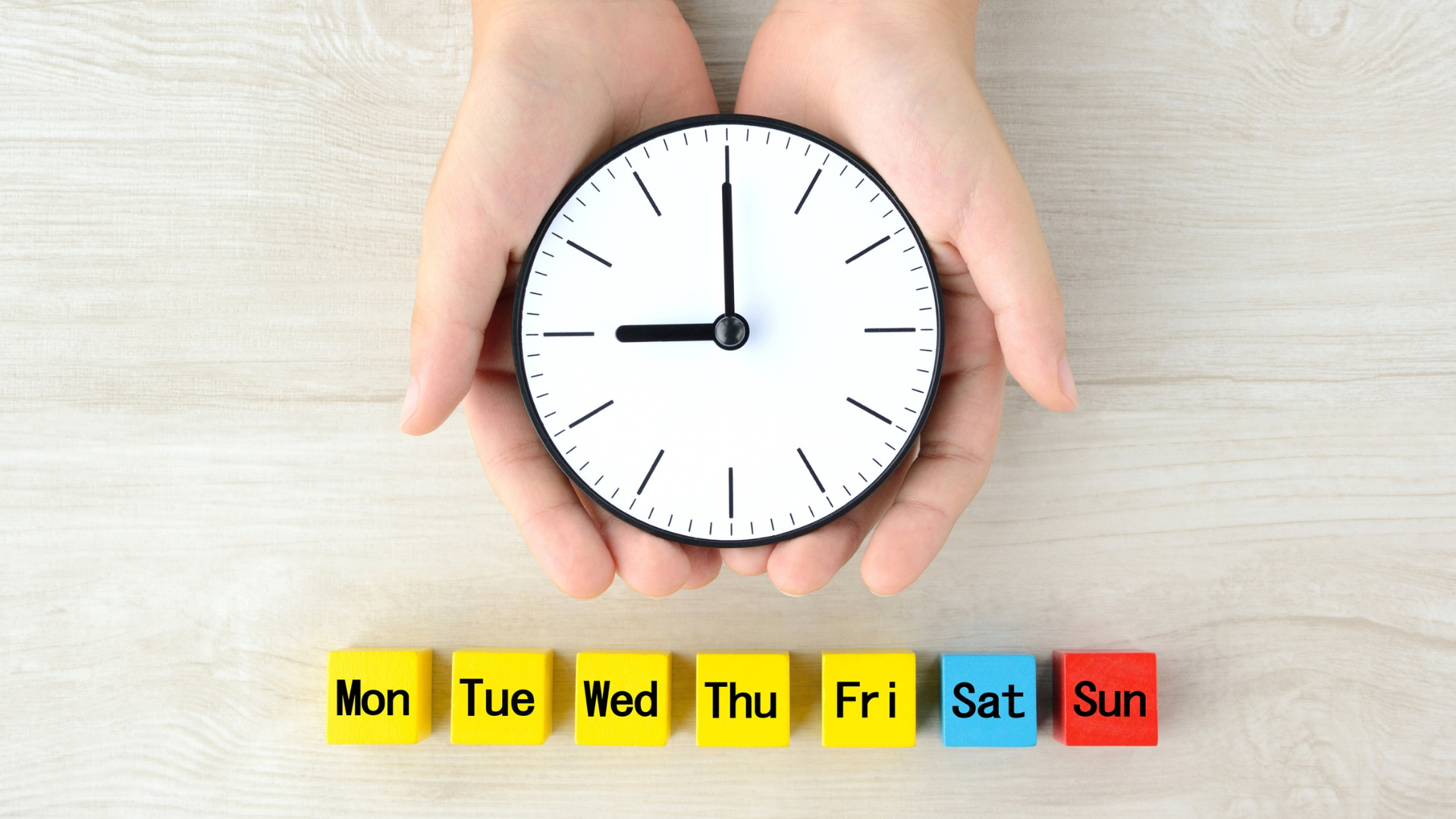
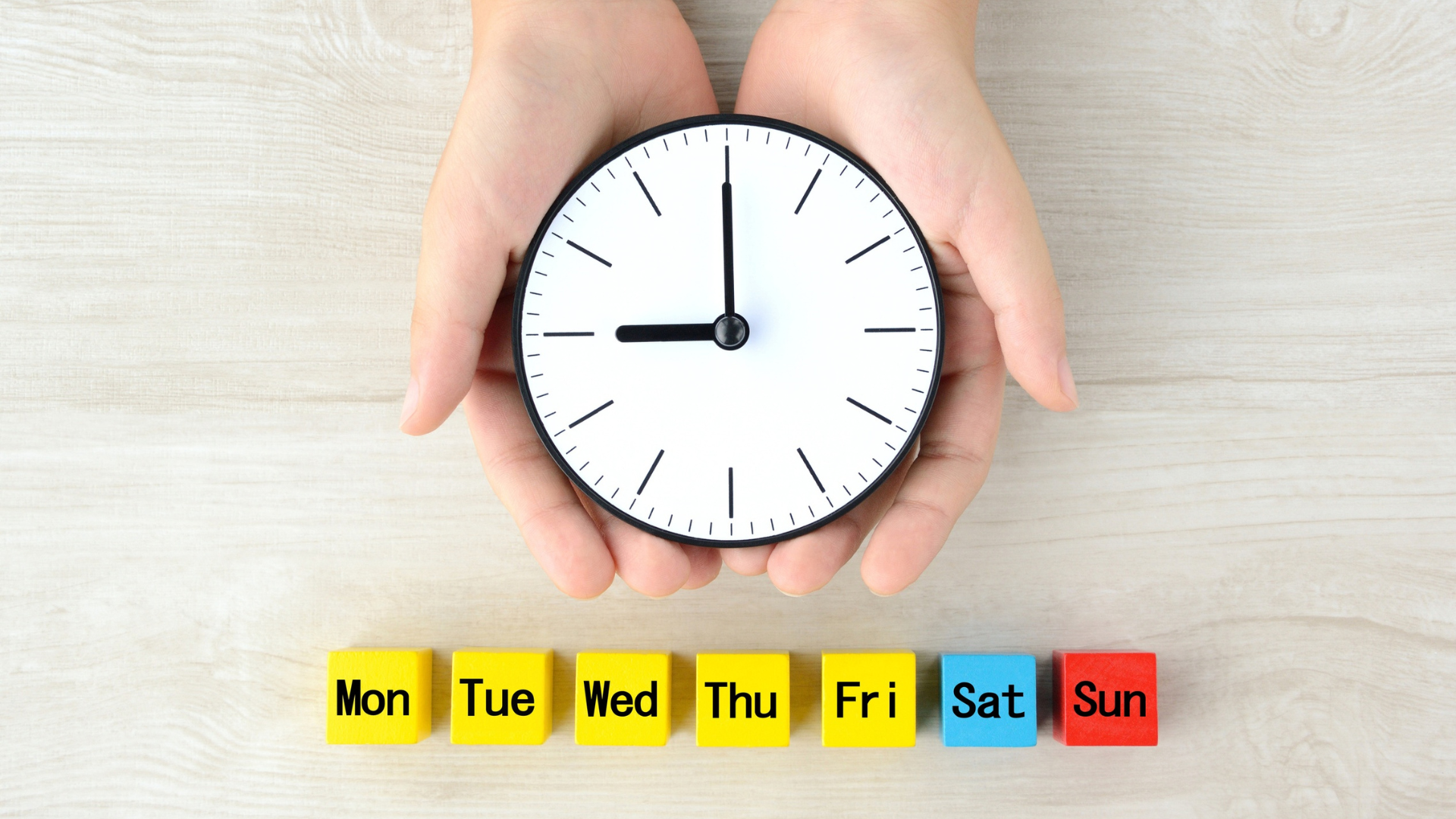
Different platforms have different peak times.
Use platform insights to determine optimal posting time.
Track engagement trends and adjust accordingly.
Paid Ads And Organic Strategy
Allocate Budget For Paid Ads
Paid ads accelerate growth, especially when integrated with search engine optimisation best practices and resources.
Targeted advertising allows you to reach new users beyond your followers.
Start with a controlled advertising budget.
Track costs carefully.
Scale what delivers results. Social media plans can be tailored to specific marketing objectives such as brand awareness or product promotion.
Brand-building social media plans are designed to enhance your brand’s reputation and increase awareness among your target audience. These plans focus on creating meaningful connections, fostering trust, and positioning your business as a credible and recognizable presence in your industry.
Balance Organic And Paid Strategy
- Organic content builds relationships.
- Paid advertising builds reach.
- An effective social media plan uses both.
- Community engagement strengthens your brand.
Advertising drives measurable growth. Promotional social media plans focus on driving immediate action by promoting specific products, events, or campaigns within a set timeframe.
These plans are designed to generate buzz, increase traffic, and boost conversions through targeted messaging and timely content delivery.
Crisis social media plans establish clear protocols and provide guidance to effectively address and mitigate potential issues or negative situations, ensuring your brand maintains a positive reputation even during challenging times.
Measurement And Reporting
Track KPIs Weekly

Track:
- Engagement rate
- Website traffic
- Leads
- Conversion rates
- Follower growth
Use insights from each platform.
Review trends monthly.
Once you start to implement your plan, it’s essential to track your results. Your social media plan should allow for flexibility, customization, and sensitivity.
Use Data To Refine Strategy
Data informs decision making.
- If a campaign performs poorly, adjust.
- If ads underperform, test new messaging.
- If content drives conversations, double down.
An adaptive strategy drives better results.
Crisis And Governance
Establish Clear Brand Guidelines
Maintain consistent messaging.
- Define tone.
- Define visual style.
- Define response protocols.
- This ensures your whole teams operate consistently.
Prepare Crisis Response Templates
Create response templates for common scenarios.
Escalate sensitive issues quickly.
Protect your brand reputation at all times.
Launch And Optimisation

Launch Pilot Campaigns
Start with controlled campaigns.
Measure results.
Collect feedback.
Adjust before scaling.
Scale Based On Performance
Reallocate budget to high performing campaigns.
Pause underperforming ads.
Optimise regularly.
Consistent refinement delivers long term results.
Collaboration Across Teams
Align Sales Teams And Marketing Teams
Your social media marketing should support sales teams.
Share insights with sales.
Provide them with content assets.
Encourage collaboration.
When teams connect, performance improves.
Community Engagement And Conversations
Engage With Your Community Daily
Reply to comments.
Respond to messages.
Join conversations.
Encourage discussions.
Community engagement builds loyalty.
Foster Real Conversations
Do not just broadcast.
Listen.
Ask questions.
Encourage feedback.
Active conversations build strong communities.
Leveraging Trends And Innovation
Monitor Industry Trends
Stay updated on platform changes.
Follow industry organizations.
Watch emerging trends.
Adapt your strategy proactively.
Piri Piri Marketing Hub’s Approach

At Piri Piri Marketing Hub, we develop structured, measurable social media plans for Australian small businesses.
We help businesses:
- Develop an effective social media strategy
- Build structured content creation systems
- Implement paid ads strategically
- Track insights and refine strategy
- Align marketing with business goals
An example of a SMART goal is to increase Instagram engagement by 15% within the next three months.
We focus on delivering clarity, consistency and performance, grounded in our mission and story at Piri Piri Marketing Hub.
A social media plan should not be guesswork.
A social media plan is a comprehensive document that clearly defines your goals, outlines the tactics you will use, and details the content you intend to create and share across your social media marketing channels.
- It should be strategic.
- It should be measurable.
- It should support real business growth.
Having a solid social media plan is vital for navigating the labyrinthine landscape of digital marketing and ensuring your efforts are paying off, especially when supported by an Australian digital marketing agency offering end-to-end services.
It’s essential to maintain a cohesive look and feel across all your posts. A social media content calendar is an essential tool that helps you plan and schedule the dates and times for publishing your content across various social media channels, ensuring consistent and timely engagement with your audience.


